Horse Racing
$380 Million Decline of America’s Favourite Pastime.
Last year, $7.56 Billion was bet on US Thoroughbred racing through the first eight months of…
US iGaming intelligence
US State Guide
Legal
Pennsylvania is one of the most mature regulated markets in the country, offering the full suite of legal online gambling. The Keystone State authorized online casino, poker, and sports betting under its 2017 expansion law, with the first online sportsbooks launching in late 2019 and online casinos following shortly after.
The Pennsylvania Gaming Control Board licenses operators, each tethered to a land-based casino partner. Pennsylvania consistently ranks among the top states nationwide for online casino revenue.
This guide breaks down the licensed operators serving Pennsylvania, the state’s notably high tax rates, and the tools available to players located anywhere within the commonwealth.






Last year, $7.56 Billion was bet on US Thoroughbred racing through the first eight months of…
This weekend, CBS’s Sunday Morning ran a cover story examining how legal sports betting apps “prod…
Noticed Gates of Olympus or Sweet Bonanza missing from your sweepstakes casino lately? That’s not a…
The number was 60. They got 49. Susan Collins voting no from the Republican side alone…
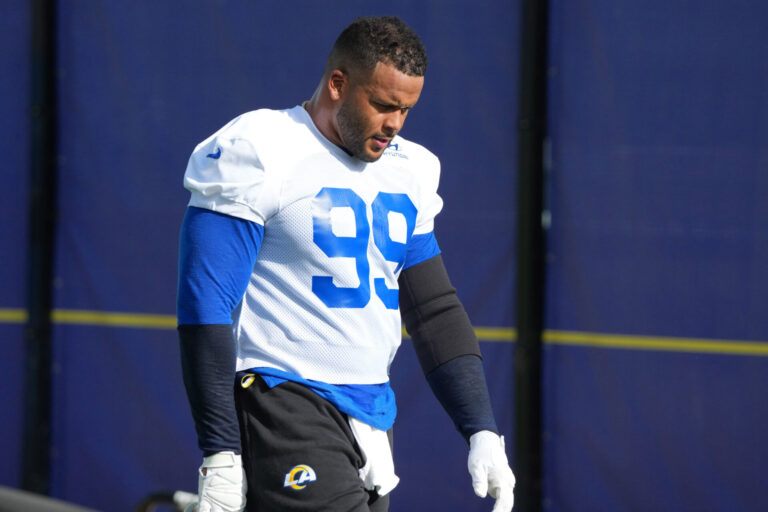
Three days ago I wrote that the market moving the Rams to -3.5 off Aaron Donald’s…
New sweepstakes and social casinos launch fast enough in this market that keeping a running list…
Something happened this week that should have happened a long time ago: the NFL told Kalshi…
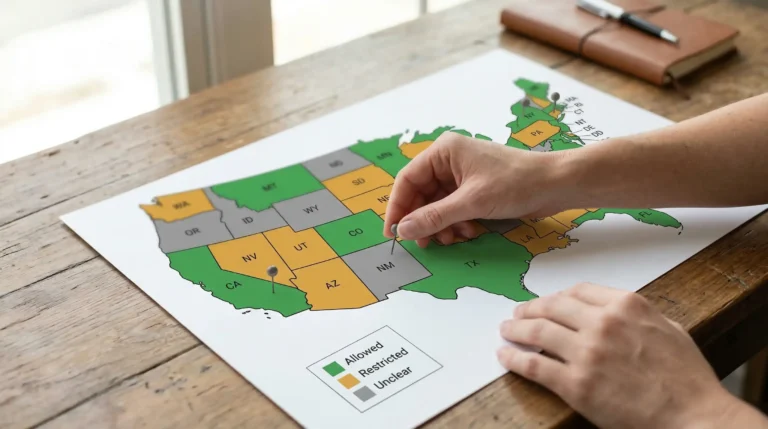
The seven states with regulated online casino markets — Pennsylvania, New Jersey, Michigan, Connecticut, West Virginia,…
Yes. Online sports betting and online casino gaming are both fully legal and regulated in Pennsylvania under the Pennsylvania Gaming Control Board.
The minimum age is 21 for all online casino play and sports betting in Pennsylvania.
Pennsylvania levies some of the highest gaming tax rates in the country, which can lead operators to offer slightly more conservative promotions than in lower-tax states.