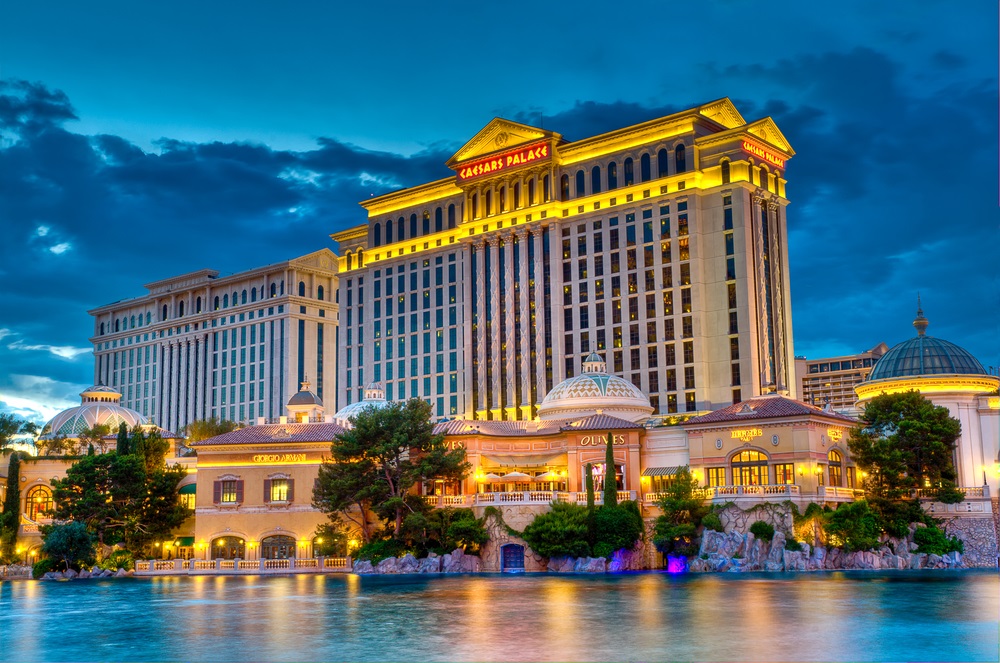
Nobody in this week’s coverage of the Caesars-Fertitta deal has said the obvious thing out loud, so let’s say it: Caesars has done this before, and it nearly destroyed the company.
In 2008, Apollo Global Management and TPG Capital took what was then Harrah’s Entertainment private in a roughly $30 billion leveraged buyout, loaded it with debt right before the financial crisis hit, and spent the next seven years watching the operating company drown under interest payments it couldn’t service. It filed for Chapter 11 in January 2015. Casinos got sold off, creditors fought over the scraps for years, and the company that emerged looked nothing like the one that went private. That history isn’t ancient — plenty of people still working in Nevada gaming lived through it professionally. So when Caesars’ shareholders vote September 22 at the Eldorado Resort & Casino in Reno on whether to hand the company back to private ownership, forgive me for not just reading off the premium and calling it a day.
The mechanics this time: Tilman Fertitta’s Fertitta Entertainment buys Caesars for $17.6 billion all-cash, $31 a share, a 49% premium over the pre-rumor price. Caesars’ board is recommending shareholders approve it, and on the surface that’s a reasonable trade — 49% is real money, and public shareholders rarely see numbers that clean. But strip away the premium and look at the structure: $11.9 billion of Caesars’ existing debt gets assumed as part of the deal, on top of a new financing package built from $6.6 billion in senior secured credit and at least $2.7 billion in fresh equity. That’s not the same shape as 2008 — Fertitta isn’t a financial-engineering shop stacking debt on debt, he’s an operator who already runs Golden Nugget and Landry’s profitably — but it’s still a heavily leveraged casino company about to disappear from public scrutiny at exactly the moment nobody outside the deal room gets to see how the numbers actually hold up.
Here’s what I actually think happens: nothing changes for players in year one. Reward points still work, room rates don’t move overnight, and CEO Tom Reeg staying on alongside CFO Bret Yunker and President Anthony Carano is being sold as continuity, and probably is continuity, for a while. The real test comes two or three years out, once integration costs, debt service and Fertitta’s own restaurant-and-hospitality instincts start reshaping how a casino company gets run day to day. Private ownership means no quarterly earnings call forcing anyone to explain a bad quarter in real time. It also means no quarterly earnings call giving players and industry watchers an early warning if something’s going wrong.
None of this means the deal shouldn’t happen, and it’s not the only thing moving in gaming M&A this week — Underdog’s $1.3 billion sale to IG Group and MGM’s reported review of an $18 billion approach from People Inc. are both still live, while Evolution just walked away from buying Galaxy Gaming entirely. But Caesars-Fertitta is the one with a date on the calendar and the one carrying real historical weight, and I’d rather flag that now than write the “lessons learned” piece in 2029 pretending nobody saw it coming.