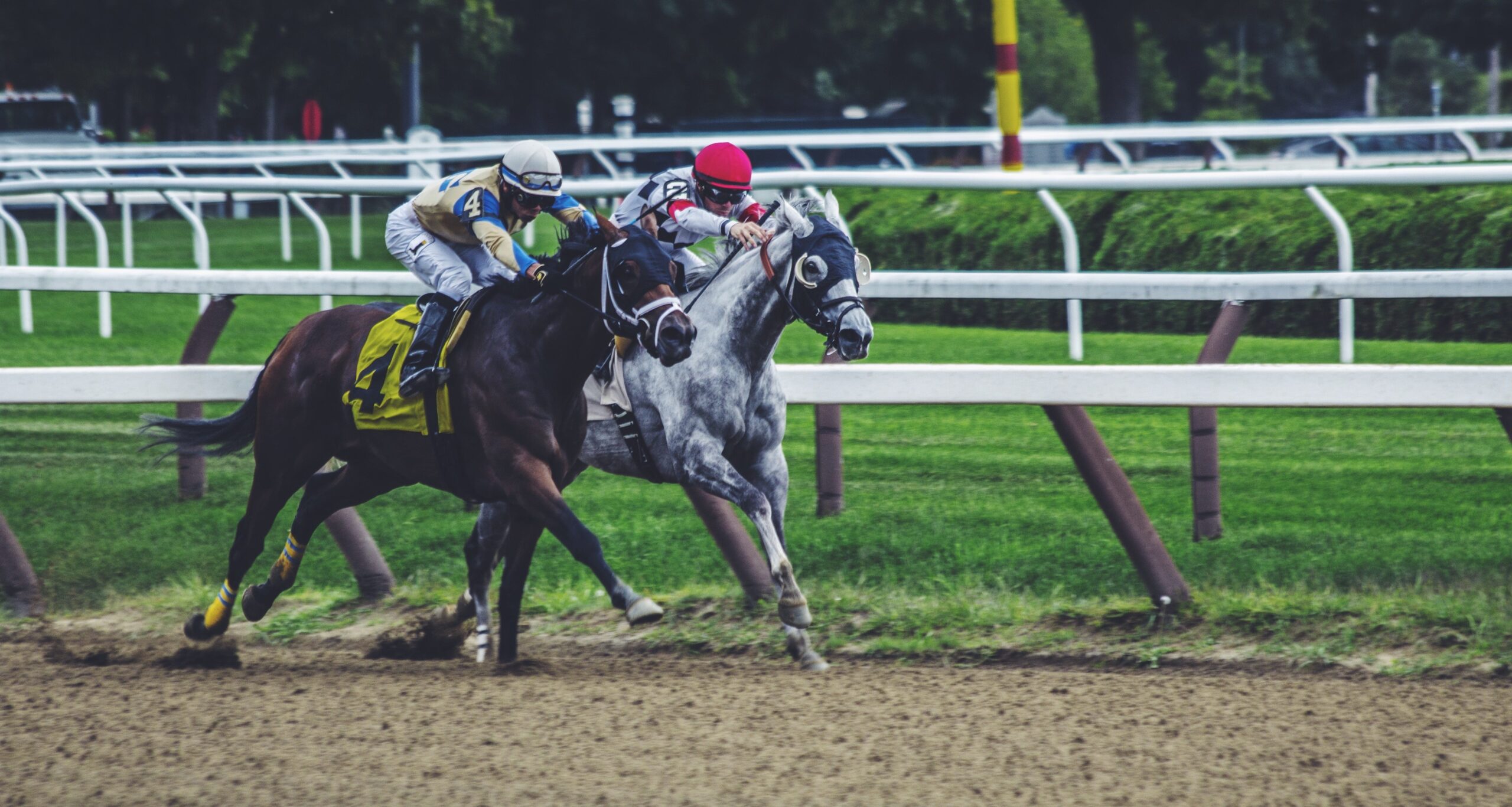
Last year, $7.56 Billion was bet on US Thoroughbred racing through the first eight months of 2026 via operators such as MyWinners, according to Equibase. That’s down 4.80% from $7.94 billion last year, about $380 million less. Betting has fallen in seven of eight months this year, and August was the fourth straight month down at least 4%. Racing is on pace for a fifth consecutive annual decline, after a 3.35% drop in 2024 and a 2.1% drop in 2025, when the full year finished at $11 billion. Everyone in racing is used to the handle headline by now. I’m more interested in the purse number, because in August it finally moved.
For years, purses have held up while betting fell. Through July, that pattern held: first-half handle was down 4.52% while paid purses rose 1.41%. Then August’s available purses fell 10.62%, from $152.9 million to $136.7 million, and paid purses fell 8.86%. Year-to-date purses are still only down 0.61%, at $841.8 million, but that figure shows how fragile the system is. As Ray Paulick noted, $841.8 million in purses is just 11.1% of handle, “indicating a significant portion of U.S. purses is dependent on other sources of revenue outside of pari-mutuel wagering, including slots, casinos, and historical horse racing.” Betting doesn’t fund most of the purse money anymore. Casino-side revenue does, and when that flattens or the racing calendar shrinks, purses fall quickly.
What I keep coming back to is one line in The Racing Biz’s breakdown: average wagering per race day in August was essentially unchanged. It was $3.005 million, compared with $3.003 million a year earlier. Bettors didn’t bet less per card. There were just fewer cards. Race days fell from 401 to 375, races fell 6.85%, and starts fell 8.22%, from 22,870 to 20,991. Some of that was scheduling, since Kentucky Downs, one of the country’s strongest handle meets, raced two August days instead of three. The year-to-date trend is broader, though. Starts are down 5.72%, and average field size has slipped from 7.41 to 7.18 horses per race. Bettors bet more on bigger fields, and the sport is running out of horses faster than it’s running out of customers.
Del Mar shows that clearly. Its summer meet averaged an industry-leading 8.6 starters per race, and all-sources wagering rose 2.3% to $546.8 million. Handle on Del Mar’s own races rose 3.1% to $366.8 million, and Pacific Classic Day topped $29 million. “Their commitment to racing at Del Mar has produced large, competitive fields and an outstanding wagering product for our customers,” track president Josh Rubinstein said. Saratoga’s 2026 meets handled about $1.105 billion over 50 days, up 3%, BloodHorse reported. The top meets with full fields are growing. Everything else is shrinking, and the overall numbers reflect that.
The competition makes this worse. A Gallup survey this summer found only 2% of Americans bet on a horse race in the past year, down from 6% in 2016. Meanwhile, prediction markets did $7.49 billion in notional sports volume last weekend alone. That figure counts both sides of every trade, so it isn’t comparable to handle, but it’s close to what US racing has handled all year. The sport also spent the summer dealing with trust problems. There’s a HISA data-access dispute, and bookmakers flagged unusual betting on five races in New York and New Jersey. “We take this extremely seriously,” HISA CEO Lisa Lazarus said. Racing depends on bettors trusting the pools, and it can’t afford to lose that trust while it’s also losing race days.
What August shows is that falling handle is the symptom, and the shrinking supply of horses and races is the underlying problem. Where tracks can fill the gate, as Del Mar and Saratoga did, bettors show up and bet more. Where they can’t, handle falls and purses follow. And a sport where only about 11 cents of every purse dollar comes from betting is increasingly dependent on slots and historical horse racing to keep going. Equibase’s September numbers come out next week. They’ll include weekend cards at Belmont, Monmouth and Delaware that a nor’easter wiped out, so I’d expect another decline.