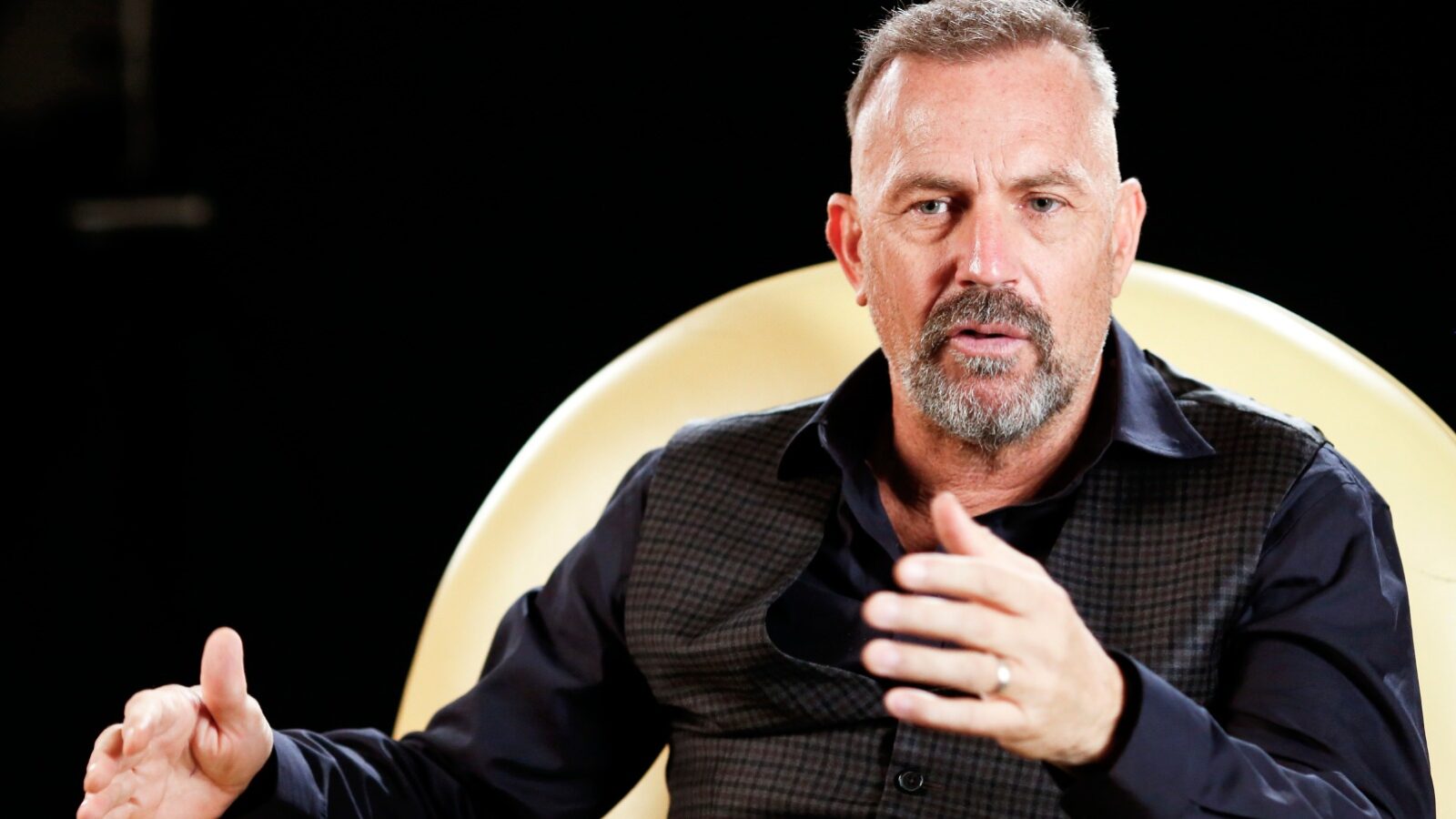
Kevin Costner is set to host a prediction markets retreat later this year. The invitation is for his Dunbar Ranch outside Aspen, and it’s open only to “top decision makers.” The guest list, according to a letter obtained by InGame, includes CEOs of the biggest commercial gaming companies, top tribal leaders, prediction market executives, and a group of former regulators and deal advisors. Costner told InGame he’s heard back from about 70% of the people he invited. The celebrity angle is what most people will write about. I’m more interested in the timing, because the leverage in this fight has shifted a lot since he started planning the retreat.
Costner isn’t an outsider to this. He owned a casino in Deadwood for 26 years, and he says he has friends “in both the gambling and tribal worlds.” His reason for hosting is simple. “The Supreme Court is going to make a decision on this,” he said. “There are groups that could be terribly affected by a flip of a coin, and the tribes have always been really important to me.” He’s also realistic about how negotiations like this usually go. People leave a meeting when they don’t understand something, he said, “but if you stay another night, well, they’ll still be there, they won’t be in their G5 driving away.” The letter ends with the question he’s asking everyone to consider: “Is there an ecosystem where tribal sovereignty and interests are respected, states can fulfill their responsibilities, established gaming companies have certainty, and emerging prediction platforms can find a workable path forward?”
What I keep coming back to is how much has changed in the week since InGame broke the story. When Costner described the Supreme Court decision as a coin flip, the circuit courts were split 1-1: the Third Circuit had ruled for Kalshi and the Ninth for the states. On Sept. 25, the Sixth Circuit ruled 3-0 that Tennessee and Ohio can enforce their gambling laws against Kalshi, finding that sports contracts don’t even qualify as swaps. Just over a week earlier, the Ninth Circuit had found that three California tribes are likely to succeed in their argument that Kalshi’s sports contracts are Class III gaming on tribal land. Kalshi responded by geofencing those reservations, the first time it has voluntarily blocked tribal land. The circuits now favor the states 2-1. If you’re a tribal leader getting an invitation to negotiate right now, it’s fair to ask why you’d give anything up while you keep winning in court.
That’s the hard part for this retreat. California is where the stakes are highest for Indian Country, and it’s also where tribes are most sensitive to anyone trying to work around their exclusivity. California and Texas together account for 43% of all sports event contract volume nationally, according to Eilers & Krejcik, and neither state has legal sports betting. San Manuel just launched a public campaign putting a $26.5 billion price tag on tribal gaming’s impact in California. Costner’s partner in the retreat is Kasey Thompson, a high-stakes poker player and former Pala Interactive executive. Many California tribal leaders will remember him from 2023, when he put forward an online sports betting proposal that Indian Country rejected. Thompson says he has since left the gambling business entirely. Even so, for some of the people Costner most needs to attend, that history will affect how they read the invitation.
None of that makes the idea a bad one. More than 25 states and tribal entities are in court with Kalshi and the CFTC. A Supreme Court ruling in either direction would leave one side badly hurt and wouldn’t answer the practical questions: how revenue gets shared, what consumer protections apply, and who licenses what. Prediction markets did $7.49 billion in notional sports and combo volume in a single recent weekend. That market isn’t going away, whoever wins in court. A negotiated deal is the only outcome in which everyone keeps something. Costner’s real challenge is whether the side currently winning will agree to talk before the Supreme Court decides. As he put it: “I don’t know where this will lead. That’s part of the reason to come.”