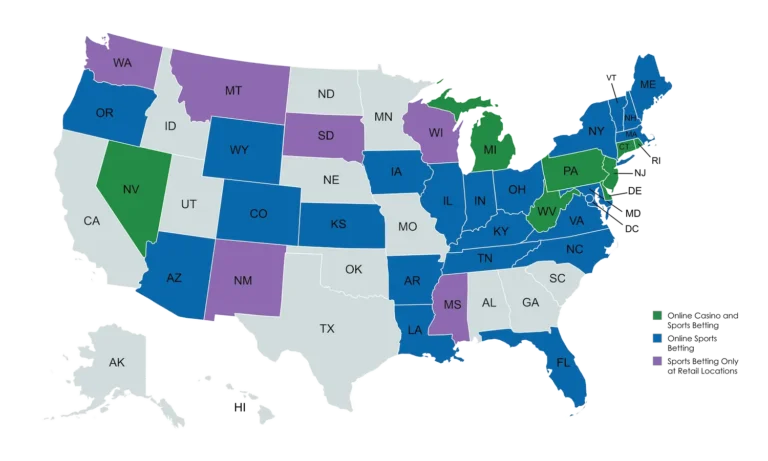
Texans are estimated to bet $7.2 Billion each year with and offshore sportsbooks, according to Eilers & Krejcik Gaming. Add prediction markets on top: California and Texas together account for 43% of all sports event contract volume in the country, and neither state has legal sports betting. When the 2027 session opens Jan. 12, Texas will take up online sports betting for the fifth session in a row, and the easy argument will be that all this money is already moving, so the state should regulate it and tax it. The number I’m more interested in is the one the pitch leaves out. Economists estimate that legal sports betting would generate $400 million to $500 million a year for Texas. The state’s 2026–27 budget is $338 billion. That tax revenue would cover less than one day of state spending.
That’s the problem with the “legalize and compete” argument in Austin. It works in New York, where sportsbooks pay 51% on gross gaming revenue. Nobody has proposed a rate anywhere near that in Texas, and without it the revenue case doesn’t change votes in a state that doesn’t need the money. What the prediction market boom has done is give opponents a new target, and they used it at the Senate State Affairs hearing on Sept. 15. Chairman Bryan Hughes described Kalshi’s sports and election markets as a “loophole” around a gambling ban that dates to 1903. Sen. Bob Hall said “the gambling industry across the board is a predator.” He wasn’t only talking about Kalshi. He also said prediction markets and sportsbooks are “just dressed up differently.” When opponents lump the two together, sportsbooks lose the chance to argue they’re the safe, regulated alternative.
What I keep coming back to is who actually decides this. Lt. Gov. Dan Patrick controls the Senate, and he has put “Closing Gambling Loopholes” on his list of interim priorities. The history isn’t encouraging for supporters. In 2023, HJR 102 passed the House 101–143, and the Texas Sports Betting Alliance believed it had the 21 Senate votes needed for a constitutional amendment. According to D CEO, Patrick then said he wanted 14 of the Senate’s 19 Republicans on board, refused to refer the bill to committee, and it died. After Gov. Greg Abbott’s 2024 primary campaign removed a bloc of moderate House Republicans, supporters lost 24 Republican yes votes, and the 2025 effort never got going. “We believed we had the support of Dan Patrick,” Cowboys chief brand officer Charlotte Jones told D CEO. Patrick is up for re-election in November. Several people close to the legalization effort have told D CEO the same thing: as long as he’s in office, it probably doesn’t happen.
Prediction markets also give Texas an easier option than legalization: restrict them. The AGA’s Tres York told senators, “Prediction markets think they can mess with Texas. I hope you prove them wrong.” He then recommended the state sue in state court to remove them. Kalshi’s Robert DeNault argued that federally regulated exchanges are safer than offshore sites and warned that banning them would push Texans “to an even more dangerous platform.” Hall’s reply was that this is “like, we’re going to give you some drugs so when we cut your throat, it won’t hurt so much.” Problem gambling expert Brianne Doura-Schawohl told lawmakers that 15 states have passed prediction market legislation, only six successfully, and half of those are being challenged. Hall then asked her to help Texas “be the first state in the nation to truly succeed.” That doesn’t sound like a legislature getting ready to license sportsbooks. It sounds like one getting ready to go after Kalshi, or at least to wait for the Supreme Court before doing anything.
The national numbers aren’t adding any urgency either. The AGA had forecast flat NFL wagering this season because of prediction markets. Instead, DraftKings CEO Jason Robins said the company’s NFL handle was up 15% year over year through the first two weeks, and that “the core business, despite all the chatter about cannibalization, is healthy and strong.” Eilers & Krejcik had projected about 8% growth. That’s a good sign for the industry, but it weakens the argument that Texas has to act now before prediction markets take the market. Seen as a national trend, prediction markets look like a new argument for legalizing sports betting. At a Texas Senate hearing, they look like new ammunition for the people who have blocked it for eight years. Going into 2027, I think Texas’s push has more downside than upside.