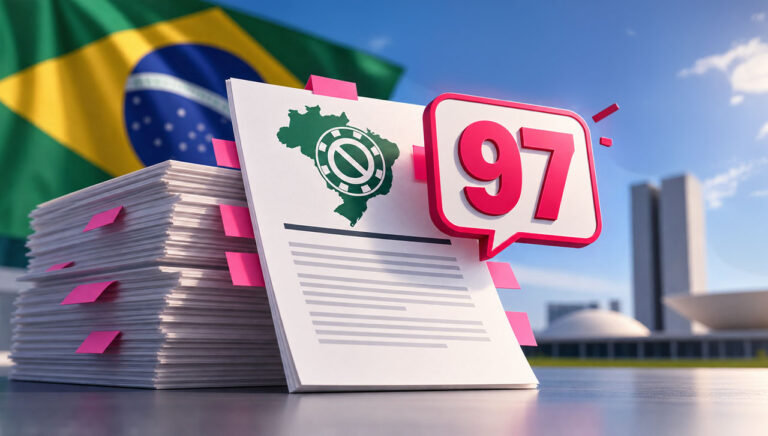
The list of states where sweepstakes casinos can no longer legally operate has grown to 13, with Nevada now joining California, Connecticut, Idaho, Indiana, Louisiana, Maine, Michigan, Montana, New Jersey, New York, Tennessee and Washington on the blocked list as of this week. It’s the latest expansion of a crackdown that has picked up speed through 2026, and it lands the same week Nevada regulators are also locked in a separate, high-profile legal fight with prediction market Kalshi — underscoring how aggressively the state is moving against any product it views as unlicensed gambling.
For players, the practical impact is immediate: major sweepstakes brands geofence blocked states the moment a ban takes effect, cutting off new sign-ups and, in most cases, purchases for existing accounts. Operators that don’t comply quickly have faced cease-and-desist orders in other states this year, with roughly 40 operators in Tennessee alone receiving formal notices from the state attorney general before most fell in line within 30 days.
Not every part of the sweepstakes market is in retreat, though. Hello Millions Casino wraps up its Labor Day Championship today, closing out a promotion that split a 10,000 Sweeps Coin prize pool among 400 winners, with 3,000 SC going to the top finisher. It’s a reminder that even as the map of legal states shrinks, competition for player attention in the states that remain open is as fierce as ever, with new launches continuing to arrive on a near-weekly basis. Several fresh brands have gone live just this month, most offering the now-standard no-purchase-necessary bonus structure of Gold Coins plus a handful of free Sweeps Coins to get new players in the door.
That split — tightening regulation on one side, aggressive new launches on the other — is likely to define the sweepstakes space for the rest of 2026. With Nevada’s move following closely behind the state’s separate legal offensive against Kalshi, it’s clear state gaming regulators are treating “gambling-adjacent” products, whatever the label, as squarely within their jurisdiction. Operators betting on staying ahead of that enforcement wave will need to keep moving fast.