Seven months. That’s how long the NCAA’s petition sat with the Indiana Gaming Commission, from the March 3 filing to a June hearing to Thursday’s final vote. The result was unanimous against the NCAA. Pre-game college player props stay on the board in Indiana. Most coverage will stop there. I’m more interested in why commissioners said no, because they didn’t dismiss the NCAA’s concerns. They said they weren’t the right people to act on them.
The NCAA did make a case. Mark Hicks, its managing director of enforcement, argued that the regulated industry doesn’t catch as much as it claims. He pointed to Brendan Sorsby, the former Indiana quarterback who bet on his own team in 2022 and was later barred from college and pro football for the 2026 season. “Bottom line, from an integrity perspective, it’s easy to manipulate and it’s hard to monitor,” Hicks said. He called a ban “a proactive measure, not a reactive measure.” Clint Hangebrauck, the NCAA’s head of enterprise risk, read commissioners examples of the messages players get. One threatened a player’s loved ones if he missed a points-and-rebounds line.
The Sports Betting Alliance’s reply was that none of this meets the “good cause” standard for a regulator to change betting rules at a league’s request. The Alliance lobbies for bet365, BetMGM, DraftKings, Fanatics and FanDuel. Its president, Joe Maloney, argued that banning the markets wouldn’t stop a single harasser and could push that action offshore. When Commissioner B.R. Lane asked him about the effect a threatening message could have on a player, he said, “Unfortunately, we have not seen any evidence that suggests it has any type of impact on the player’s play.” Whatever you think of that, it worked. Commissioner L. Scott Pejic agreed the petition didn’t meet the good-cause standard and noted that harassment, intimidation and stalking laws already exist.
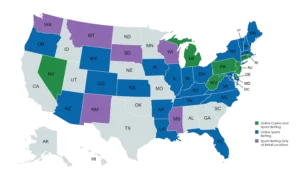
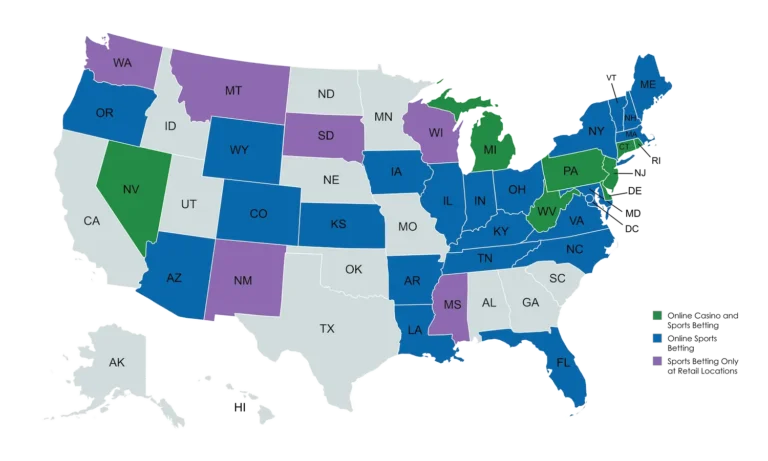
What I keep coming back to is what Lane said next. She had talked with regulators in Missouri, Louisiana and Ohio between meetings, and she said “we have a larger issue” and referred to “so much criminal activity” that’s being overlooked. She didn’t vote no because she thinks the problem is made up. She voted no because she thinks it’s bigger than one market type and belongs with lawmakers. That’s a meaningful change from the playbook. Since 2024, the gaming commissions in Louisiana, Maryland, Ohio and Vermont have all banned individual college athlete props by regulation. Indiana just declined to follow them and sent the question back to the statehouse.
That matters for the industry more than the vote does. A regulatory ban is fast and narrow. A legislative fix is slow, but it can reach much further, into harassment penalties, bettor bans, and possibly prediction markets, which already list college football markets and answer to the CFTC, not the Indiana Gaming Commission. The NCAA lost this round, and sportsbooks keep a market. But the regulators involved now say publicly that athlete harassment is a legislative problem, and that suggests the next round of rules will come from lawmakers.