The prediction markets industry is bracing for a pivotal week as New Jersey faces a Sept. 3 deadline to appeal a Third Circuit Court of Appeals ruling that found the state cannot regulate Kalshi’s platform. The decision, handed down in a divided ruling on April 6, has already created a split among federal appellate courts over who has the authority to police sports-related event contracts.
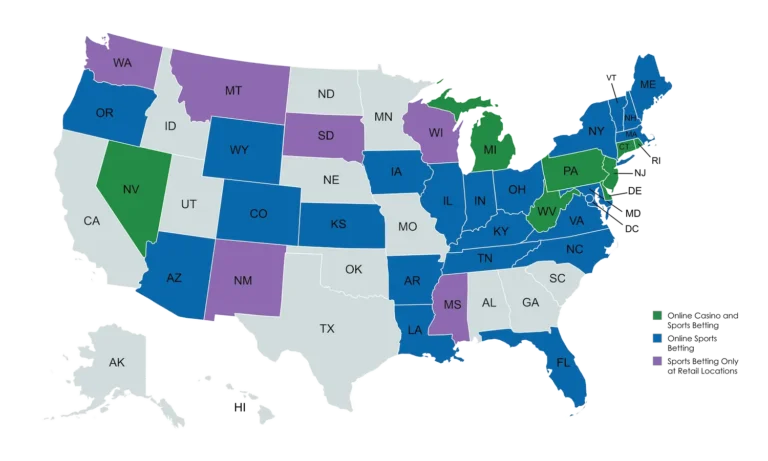
That split widened dramatically at the end of August, when the Ninth Circuit Court of Appeals in San Francisco unanimously sided with Nevada gaming regulators, ruling that the federal Commodity Exchange Act does not preempt the state from requiring Kalshi to hold a gaming license. The American Gaming Association, which represents the traditional casino and sportsbook industry, welcomed the decision as a win for consumer protection and state authority over gambling.
With one appeals court siding with the states and another siding with the industry, legal observers increasingly expect the fight to end up in front of the U.S. Supreme Court. The Commodity Futures Trading Commission, which oversees Kalshi as a federally regulated exchange, has taken the position in multiple state disputes — including active fights in New York, Nevada, Massachusetts, Michigan and Connecticut — that only the federal government can regulate event contracts, regardless of what they resemble.
For everyday users, the uncertainty means access can shift quickly depending on where a case stands. Kalshi and rival Polymarket remain technically available nationwide, but users in several states have already seen sports-related markets restricted or suspended while litigation plays out.
Whatever New Jersey decides by Wednesday’s deadline, the outcome will shape how much runway prediction markets have to keep operating in their current form — and how much power individual states ultimately retain over a product that looks, to many regulators, a lot like sports betting.