New Jersey’s online casinos brought in $259.3 million in August. The bigger number is the one nobody’s putting in a headline: for the year so far, the state’s iGaming market is now earning more than its physical Atlantic City casinos. Not one good month. The whole year.
Pennsylvania hit this same crossover a while back, and I remember thinking at the time it wasn’t really a surprise so much as a formality — give any online casino product fifteen years instead of fifteen months and this is where it lands. New Jersey just became the second state to get there. Atlantic City’s floors aren’t in trouble; a big summer weekend will still out-draw the app easily. But stretch it across an entire month, then an entire year, and apparently more Jersey residents are opening a phone than driving to the boardwalk. Once that holds for twelve straight months, it’s not a blip anymore.
What actually did it wasn’t flashy. New Jersey’s iGaming growth this year has come from operators fixing boring things — faster app load times, smoother deposits, slot RTPs competitive enough to pull players off offshore sites. Nobody writes a press release about shaving 200 milliseconds off a loading screen, but multiply that across a few million sessions a month and it adds up to $259 million faster than any marketing campaign would.
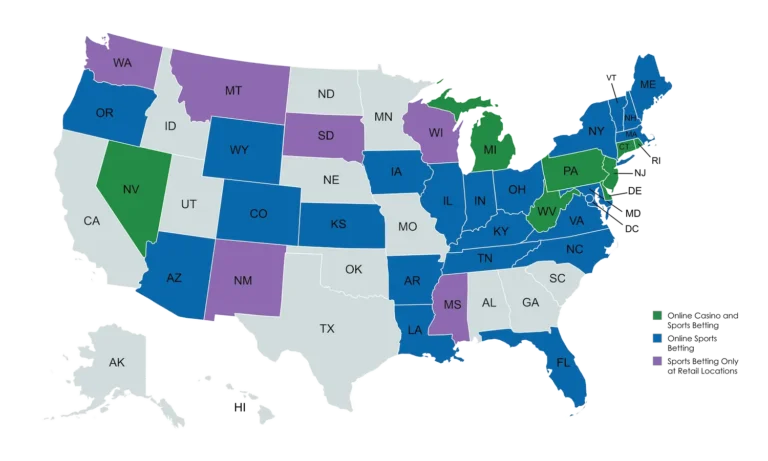
Michigan and Pennsylvania still run ahead of New Jersey in raw dollars — the three of them together make up close to 90% of all regulated US iGaming revenue, which tells you how small this club still is. But for every other regulated state watching from the outside, New Jersey just answered the only question that mattered: online eventually overtakes land-based in a mature market, and it takes about fifteen years to get there.